10 Creative Ways To Transform Your Garden With Decorative Stones
Have you ever walked through a garden and felt instantly captivated by its unique charm and character? The secret often lies in the thoughtful use of decorative stones. Whether you're a seasoned gardener or just starting your outdoor journey, decorating with stones can elevate your garden from ordinary to extraordinary. But where do you begin, and how can you make the most of these versatile elements?
In this comprehensive guide, we'll explore 10 creative ways to transform your garden using decorative stones. From creating stunning pathways to building eye-catching water features, we'll show you how to harness the natural beauty of stones to craft a garden that's both functional and visually appealing. Get ready to discover how these simple yet powerful elements can breathe new life into your outdoor space!
The Art of Stone Selection: Finding the Perfect Rocks for Your Garden
Before diving into specific design ideas, it's crucial to understand the importance of selecting the right stones for your garden. The world of decorative stones is vast, offering a wide array of colors, textures, and sizes to choose from. Your selection will largely depend on your garden's overall aesthetic, climate, and intended use.
When choosing stones, consider factors such as durability, maintenance requirements, and how they complement your existing plants and structures. For instance, river rocks are excellent for creating a serene, natural look, while polished pebbles can add a touch of elegance to modern garden designs. Don't be afraid to mix and match different types of stones to create unique textures and visual interest.
Remember, the key to successful stone decoration is to view these elements as an extension of your garden's personality. Take time to explore local stone yards or garden centers to see what's available in your area. You might be surprised by the variety of options at your disposal!
Creating Stunning Stone Pathways: A Step-by-Step Guide
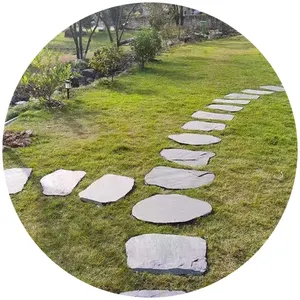
One of the most popular and practical uses of decorative stones in gardens is creating pathways. Not only do they provide a functional way to navigate your outdoor space, but they also add structure and visual appeal. Here's how you can create your own stunning stone pathway:
Plan your route: Start by mapping out where you want your path to go. Consider natural foot traffic patterns and how the path will connect different areas of your garden.
Prepare the ground: Clear the area of grass and weeds, then level the soil. For added stability, you might want to lay down a weed barrier fabric.
Choose your stones: Select stones that are flat and sturdy enough for walking. Popular options include flagstone, slate, or even large river rocks.
Lay the stones: Place your chosen stones along the path, ensuring they're evenly spaced and level. Use a rubber mallet to secure them in place.
Fill the gaps: Once all stones are in place, fill the spaces between them with smaller pebbles or gravel for a polished look.
By following these steps, you'll create a beautiful and functional pathway that enhances your garden's overall design. Remember, you can always add personal touches like solar lights or small plants between the stones to make your pathway truly unique!
Water Features: Incorporating Stones for a Tranquil Garden Oasis
Water features are a fantastic way to introduce a sense of tranquility and movement to your garden. When combined with decorative stones, they can create a truly mesmerizing focal point. Here are some ideas for incorporating stones into your garden water features:
Rock waterfalls: Create a natural-looking waterfall using a variety of stone sizes. Start with larger boulders at the top and work your way down with progressively smaller stones. This creates a cascading effect that's both visually stunning and soothing to the ears.
Stone-lined ponds: Line the edges of your pond with flat stones to create a natural border. This not only looks great but also provides a habitat for beneficial insects and small wildlife.
Bubbling rock fountains: Use a large, drilled stone as the centerpiece of a bubbling fountain. The water will gently flow over the stone's surface, creating a calming sound and visual effect.
Stone water walls: For a more modern look, create a vertical water feature using stacked stones. Water trickles down the surface, creating a beautiful and unique garden element.
When designing your water feature, consider the overall style of your garden and choose stones that complement it. For a rustic look, opt for natural, unpolished stones. If you prefer a more contemporary feel, smooth, uniform stones might be the way to go.
Zen Gardens: The Beauty of Minimalism with Stones
Zen gardens, also known as Japanese rock gardens, are a perfect example of how simplicity and minimalism can create profound beauty. These gardens typically feature carefully arranged stones, gravel or sand, and minimal vegetation. The goal is to create a space for contemplation and meditation.
To create your own Zen garden, start with a flat area of your garden. Cover it with fine gravel or sand, then strategically place larger rocks of varying sizes. The key is to create a sense of balance and harmony. You might arrange the rocks to represent mountains or islands, with the gravel or sand raked to resemble water or waves.
Zen gardens often incorporate elements like bamboo fences, stone lanterns, or small bridges. The beauty of this style is that it requires minimal maintenance and can fit into even the smallest of spaces. It's a perfect way to introduce a sense of calm and mindfulness into your garden.
Rock Gardens: Embracing Alpine Beauty in Your Backyard
Rock gardens are an excellent way to create a low-maintenance, drought-resistant landscape that's full of character. These gardens mimic the conditions found in mountainous regions, where plants grow between rocks and in crevices. Here's how to create your own rock garden:
Choose a sunny spot: Most rock garden plants thrive in full sun, so select an area that gets at least six hours of direct sunlight daily.
Prepare the soil: Rock garden plants typically prefer well-draining soil. Mix in some sand or gravel to improve drainage if necessary.
Select your rocks: Use a variety of rock sizes and shapes. Larger rocks can be used as focal points, while smaller ones can fill in gaps.
Plant selection: Choose plants that are naturally small and thrive in rocky conditions. Good options include sedums, saxifrages, and small ornamental grasses.
Arrange and plant: Place your rocks first, then plant your chosen vegetation. Try to create a natural, random look rather than a symmetrical arrangement.
Rock gardens are not only beautiful but also environmentally friendly. They require less water than traditional gardens and can thrive in areas where other plants might struggle. Plus, they provide a unique habitat for local wildlife!
Stone Sculptures: Adding Artistic Flair to Your Garden
For those looking to make a bold statement, stone sculptures can be an excellent addition to your garden. These can range from small, subtle pieces to large, dramatic installations. Here are some ideas to consider:
Stacked stone sculptures: Create towers or other shapes by carefully balancing stones on top of each other. This ancient art form, also known as stone balancing, can result in truly mesmerizing creations.
Carved stone features: If you're feeling particularly artistic, try your hand at stone carving. You could create abstract shapes, animal figures, or even functional items like bird baths or benches.
Mosaic stepping stones: Create your own unique stepping stones by embedding colorful stones or glass pieces into concrete. This is a great project to do with kids!
Inuksuit: Inspired by the stone landmarks used by the Inuit people, you can create your own inuksuit as a nod to this ancient tradition.
When incorporating sculptures into your garden, consider how they interact with the surrounding plants and structures. The goal is to create a harmonious balance between the natural and the artistic elements of your outdoor space.
Lighting Up Your Stone Features: A Guide to Garden Illumination
As the sun sets, your carefully arranged stones can take on a whole new character with the right lighting. Proper illumination not only extends the enjoyment of your garden into the evening hours but also highlights the textures and colors of your stone features. Here are some lighting ideas to consider:
Uplighting: Place small spotlights at the base of large rocks or stone sculptures to create dramatic shadows and highlight textures.
Pathway lighting: Use low-voltage lights along your stone pathways to guide visitors and create a magical nighttime ambiance.
Underwater lighting: If you have a pond or water feature, consider adding submersible lights to illuminate the water and any stones within it.
Solar-powered accent lights: These eco-friendly options are perfect for highlighting specific stone features without the need for wiring.
When planning your garden lighting, think about the mood you want to create. Soft, warm lights can create a cozy, inviting atmosphere, while cooler, brighter lights might be better for showcasing specific features. Remember, the goal is to enhance, not overpower, the natural beauty of your stone arrangements.
Maintenance Tips: Keeping Your Stone Garden Beautiful Year-Round
While stone gardens are generally low-maintenance, they do require some care to keep them looking their best. Here are some tips to ensure your stone features remain beautiful throughout the year:
Regular cleaning: Use a leaf blower or soft broom to remove debris from your stone surfaces. For tougher stains, a mild soap solution and soft brush can be effective.
Weed control: Even in stone gardens, weeds can be a nuisance. Use a natural weed killer or manually remove weeds to keep your garden tidy.
Moss management: Some gardeners love the look of moss on their stones, while others prefer a cleaner appearance. If you fall into the latter category, a mixture of water and white vinegar can help remove moss.
Winter care: In colder climates, be prepared for freeze-thaw cycles which can sometimes cause stones to shift. Check your arrangements in early spring and make any necessary adjustments.
Drainage checks: Ensure that water is draining properly around your stone features to prevent pooling or erosion.
By following these simple maintenance tips, you can ensure that your stone garden remains a beautiful and relaxing space for years to come.
Conclusion: Unleashing Your Creativity with Garden Stones
As we've explored in this article, decorative stones offer endless possibilities for transforming your garden. From creating functional pathways to building serene Zen gardens, the versatility of stones allows you to express your creativity and personal style in your outdoor space.
Remember, the key to successful stone decoration is to work with nature, not against it. Choose stones that complement your local environment and existing garden features. Don't be afraid to experiment with different arrangements and combinations. After all, gardening is as much about the journey as it is about the destination.
Whether you're working with a sprawling backyard or a compact urban garden, there's always room to incorporate decorative stones. They can add texture, color, and structure to your space, creating a garden that's not only beautiful but also uniquely yours.
So why not take the first step today? Head out to your local garden center, pick up some stones, and start bringing your garden vision to life. With a little creativity and these tips in mind, you'll be well on your way to creating a stunning stone-adorned garden that you can enjoy for years to come.