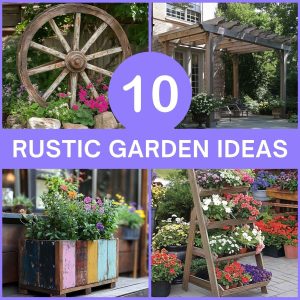
Rustic Garden Decor Ideas: Transform Your Outdoor Space With Timeless Charm
Dreaming of a garden that feels like a secret escape, where time slows down and every element tells a story? You're not alone. The surge in popularity for rustic garden decor ideas speaks to a deep desire for authenticity, connection to nature, and spaces that feel personally curated rather than perfectly manicured. It’s about embracing the beauty of imperfection, the warmth of natural materials, and the charm of objects with a past. This comprehensive guide will walk you through actionable, inspiring, and budget-friendly ways to infuse your garden with that coveted rustic character, creating an outdoor sanctuary that is uniquely yours.
We’ll move beyond simple clichés to explore a world of creative expression, from the foundational use of wood and stone to the clever repurposing of forgotten objects. Whether you have a sprawling country plot or a modest city balcony, these principles can be scaled to fit your space. Get ready to roll up your sleeves and transform your garden into a storybook setting that invites relaxation and sparks joy.
The Foundation: Embracing Natural and Weathered Materials
The heart of rustic style lies in its materials. It rejects sleek synthetics in favor of textures and tones that age gracefully. This approach creates an immediate sense of harmony with the landscape.
The Warmth of Reclaimed Wood
Wood is arguably the most versatile and essential material for rustic garden decor. Its warmth and organic lines soften any outdoor space. Instead of buying new, seek out reclaimed wood from old barns, fences, or pallets (ensure they are heat-treated, not chemically treated). A simple reclaimed wood plank can become:
- A vertical garden for herbs and succulents, with small pots or mason jars attached.
- A garden sign with hand-painted or carved plant names.
- The base for a rustic potting bench or a small, low table for garden tools.
- Garden bed edging that looks far more characterful than standard timber.
When using wood outdoors, choose naturally rot-resistant species like cedar or redwood, or apply a non-toxic, penetrating sealant like tung oil to extend its life while maintaining its natural look. The goal is a silvery-gray patina from weathering, not a pristine finish.
The Timeless Elegance of Stone and Gravel
Stone grounds a garden in permanence. Rustic garden decor heavily features irregular, natural stone. Think fieldstone for dry-stacked walls, large, flat stepping stones for pathways, or a simple stone basin as a birdbath. You don’t need a professional mason; a few strategically placed large stones can create a natural seating nook.
Gravel and pebbles are equally important. They provide excellent drainage, suppress weeds, and add a delightful crunch underfoot. Use different sizes for texture: pea gravel for paths, larger river rocks to outline beds, and smooth, colorful beach stones to top-dress container plants. A simple gravel circle with a central stone seat evokes a zen-like, rustic meditation spot.
The Texture of Natural Fibers and Wrought Iron
Incorporate natural fiber elements like jute or sisal twine to hang planters, bundle herbs, or create simple wind chimes. A coiled jute rug on a wooden deck adds instant coziness. For structure and a touch of industrial romance, wrought iron is perfect. Look for vintage or antique-style iron pieces: a trellis with scrolling vines, a rustic iron watering can used as a planter, or a simple, sturdy iron bench. The contrast of soft, natural fibers with the hard, elegant lines of iron is a hallmark of sophisticated rustic style.
Repurposing and Upcycling: Giving Old Objects New Garden Life
True rustic charm is earned, not bought. It comes from objects that have a history. Repurposed garden decor is the soul of this aesthetic, combining sustainability with unparalleled character.
The Classic: Vintage Metal Containers
Old tin cans, enamelware, galvanized metal buckets, and vintage watering cans are rustic gold. Thoroughly clean them, drill drainage holes if needed, and they become perfect planters. A row of mismatched enamelware pots on a weathered windowsill planted with culinary herbs is a picture of functional beauty. A cluster of rusted metal cans of varying sizes, planted with trailing ivy or colorful nasturtiums, creates a dynamic, carefree display.
Unexpected Treasures: Furniture and Fixtures
Look beyond the garden center. An old wooden chair with a broken seat can have its top removed, leaving a frame to support a hanging basket or a collection of small potted plants. A wheelbarrow—even one with a rusty hole—can be filled with a overflowing mix of annuals. A rusty old bicycle with a basket woven from willow branches becomes a whimsical focal point. Antique windows or doors (without glass) can be propped against a wall or fence to create a sense of architecture and depth, perhaps with a vine climbing over them.
Practical Tips for Upcycling Safely
- Safety First: Always wear gloves when handling old metal or wood. Test for lead paint (common on pre-1978 items) with a home test kit. If present, seal it with a clear, matte acrylic sealer to prevent dusting.
- Drainage is Key: Almost any container needs holes. Use a drill with a metal or masonry bit for cans and buckets. For delicate items, consider placing a plastic pot with drainage inside the decorative container.
- Embrace the Patina: Don’t over-restore. The rust, scratches, and faded paint are what give these pieces their rustic soul. Clean them just enough to be safe and functional.
Creating Ambiance: Light, Water, and Whimsical Accents
The magic of a rustic garden extends into the evening with thoughtful lighting and the soothing sound of water. Small, whimsical accents add personality and moments of delight.
Rustic Garden Lighting Ideas
Lighting transforms your garden after dark. For a rustic feel, avoid glaring modern spotlights. Opt for:
- String Lights: The ultimate rustic hack. Drape fairy lights or larger bulb strings through tree branches, along a fence, or inside a glass jar lantern. They create a magical, cozy canopy.
- Solar-Powered Lanterns: Choose styles that mimic mason jars, old-fashioned lanterns, or rustic metal cages. They’re easy to place anywhere with sun exposure.
- Candlelight: Place citronella candles in mason jars, old tin cups, or on saucers to repel bugs while adding flickering charm. Use hurricane lanterns on tables or steps for safe, wind-resistant light.
- Upcycled Light Fixtures: An old colander or metal basket can become a stunning pendant lamp shade when fitted with a cord and bulb.
The Soothing Sound of Water
You don’t need a grand fountain. A rustic water feature can be incredibly simple. A stack of irregular stones with a small, recirculating pump hidden at the base creates a gentle, babbling sound. A repurposed galvanized tub or a large, shallow ceramic pot filled with water and a few water plants (like water lettuce or hyacinth) becomes a serene reflecting pool. Even a simple dripping bamboo fountain (a piece of bamboo with a hole drilled near a node, tilted over a reservoir) provides meditative sound.
Whimsical and Personal Touches
This is where your personality shines. Scatter a few of these throughout your garden:
- Hand-painted garden markers: Use pieces of broken terracotta pot, slices of wood, or old spoons.
- A collection of mismatched pottery shards embedded in a pathway or used as plant toppers.
- A rustic birdhouse made from a piece of log or an old hat.
- A simple swing or bench hung from a sturdy tree branch with thick, natural rope.
- A "fairy garden" in the hollow of a tree root or a large stone crevice, using tiny, rustic-made accessories.
Structuring Your Space: Pathways, Seating, and Focal Points
Great rustic decor is about creating a journey and places to pause. It’s about garden structure that feels organic, not rigid.
Informal Pathways that Invite Exploration
Forget straight lines. Rustic garden paths should meander. Use the materials discussed: stepping stones (flat, irregular slate or fieldstone), gravel, or even a simple bed of mulch or pine needles. Edge them with low, spreading plants like creeping thyme or sedum that will soften the edges over time. A path that disappears around a corner, only to reveal a hidden seating area, creates a sense of mystery and discovery.
Seating that Blends In
Seating should feel like it grew there. A large, flat boulder is the ultimate rustic seat. A log slice (from a large tree trunk) makes a perfect stool or small table. A simple wooden bench made from a single plank and two tree stump legs is incredibly effective. For a more crafted look, build a low stone wall that doubles as seating. Always place seating in a spot with a good view—of a flower bed, a specimen plant, or a distant focal point.
Creating Focal Points
Every garden needs a "wow" moment. In a rustic scheme, this is often a structurally interesting plant (like a gnarled olive tree, a sculptural Japanese maple, or a large, flowering hydrangea) or a repurposed architectural element. An old horse trough planted with grasses and perennials, a tall, weathered obelisk covered in clematis, or a simple arch made from bent willow or reclaimed wood can anchor a space and draw the eye.
Plant Selection: The Soft Touch of Rustic Style
Plants for a rustic garden should feel effortless and slightly wild. They should complement the hardscaping, not compete with it.
Choosing the Right Plants
- Perennials are Key: They return year after year, building structure. Think lavender, Russian sage, coneflowers (echinacea), black-eyed Susans (rudbeckia), hostas, and ferns. Their softer textures contrast beautifully with hard materials.
- Embrace "Garden Escapees": Allow some plants to self-seed and naturalize. Poppies, dame's rocket, columbine, and foxgloves (be mindful of toxicity with pets/children) create a charming, informal drift.
- Incorporate Herbs and Vegetables: A kitchen garden is inherently rustic. Tuck herbs like rosemary, thyme, and sage into stone walls or mixed borders. Let kale or rainbow chard, with their striking leaves, become ornamental.
- Climbers for Vertical Rustic Charm:Clematis, honeysuckle, climbing roses, and ivy soften walls, fences, and structures. Train them over an old arch or up the trunk of a tree.
The "Potted Rustic" Garden
For patios, balconies, or areas with poor soil, container gardening with rustic pots is ideal. Use the upcycled containers mentioned earlier. The "thriller, filler, spiller" rule works perfectly: a tall, dramatic plant (thriller) like a small ornamental grass or dill, surrounded by bushy plants (filler) like petunias or basil, and trailing plants (spiller) like sweet potato vine or creeping jenny spilling over the edge.
Seasonal Maintenance and Evolving Beauty
A rustic garden is not a "set it and forget it" space. Its beauty lies in its evolving, seasonal cycle and the gentle care it receives.
- Spring: Focus on cleanup—remove old, dead growth from perennials. Divide overcrowded clumps. This is the time for planting and letting the fresh green shoots emerge. A light layer of mulch (shredded bark, straw) suppresses weeds and retains moisture.
- Summer: Deadhead spent flowers to encourage more blooms, but also let some go to seed for birds and self-seeding. Water deeply but less frequently to encourage strong roots. Enjoy the abundance.
- Fall: This is a beautiful season in a rustic garden. Leave seed heads on plants like coneflowers for winter interest and bird food. Plant spring-blooming bulbs. Rake leaves into garden beds as natural mulch.
- Winter: The "bones" of the garden—the stone walls, wooden structures, evergreen plants, and the silhouettes of deciduous shrubs and trees—are on full display. This is when the careful placement of these elements truly pays off. A dusting of snow on a rustic bench or arch is the ultimate picturesque scene.
Embrace a little mess. A few fallen leaves, a slightly weedy patch, or a herb that’s bolting to seed all add to the lived-in, authentic feel. The goal is a garden that feels nurtured, not sterile.
Conclusion: Your Rustic Garden Awaits
Creating a garden with rustic charm is a journey of creativity, patience, and a deep appreciation for natural materials and stories. It’s about looking at the world with an artist’s eye and a recycler’s heart. Start small: add a reclaimed wood planter, hang a string of lights, or place a collection of stones in a quiet corner. Let your garden evolve naturally, reflecting your tastes and the passage of time.
Remember, the most compelling rustic garden decor ideas are the ones that mean something to you. They might be a weathered family heirloom, a treasure found at a flea market, or a simple stack of logs you gathered yourself. It’s this personal connection that transforms a collection of plants and objects into a true sanctuary. So go ahead, get your hands dirty, and build a garden that tells your story—one weathered plank, one repurposed bucket, and one self-seeded poppy at a time.