Transform Your Outdoor Space: The Ultimate Guide To Garden Lighting
Have you ever wondered how to create a magical outdoor oasis that extends your living space well into the evening hours? Garden lighting is the answer to transforming your backyard into a captivating nighttime retreat. Whether you're hosting summer dinner parties, enjoying quiet evenings under the stars, or simply want to showcase your landscaping, the right lighting can make all the difference.
Garden lighting isn't just about aesthetics—it's about creating ambiance, improving safety, and extending the functionality of your outdoor space. With so many options available, from solar-powered path lights to sophisticated LED systems, finding the perfect solution for your garden can feel overwhelming. This comprehensive guide will walk you through everything you need to know about selecting, installing, and maintaining the ideal lighting setup for your unique outdoor space.
Understanding Different Types of Garden Lights
When it comes to illuminating your outdoor sanctuary, understanding the various types of garden lights available is crucial for making informed decisions. The world of garden lighting offers a diverse array of options, each serving specific purposes and creating different atmospheres.
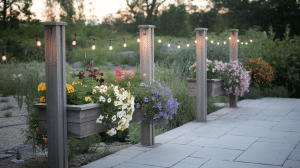
Path lights are perhaps the most common and practical choice for garden illumination. These fixtures typically stand 18-24 inches tall and cast a gentle glow downward, creating safe walkways while adding a charming aesthetic to your garden design. Solar-powered path lights have become increasingly popular due to their energy efficiency and easy installation—simply stake them into the ground where they'll receive adequate sunlight during the day.
String lights have experienced a massive surge in popularity for garden spaces, creating that coveted "fairy tale" ambiance. These versatile lights can be draped across pergolas, wrapped around tree trunks, or strung between posts to create a canopy effect. Modern LED string lights offer weather-resistant durability and come in various color temperatures, from warm white to multicolored options perfect for festive occasions.
For those seeking to highlight specific garden features, spotlights and uplights provide dramatic illumination. These directional lights can showcase prized plants, water features, or architectural elements of your home. Many gardeners use spotlights to create stunning silhouettes of trees or to illuminate garden art, creating focal points that draw the eye and add depth to the nighttime landscape.
Planning Your Garden Lighting Design
Creating a cohesive lighting plan requires thoughtful consideration of your garden's layout, your lifestyle needs, and the atmosphere you wish to create. Before purchasing any fixtures, take time to sketch your garden and identify key areas that would benefit from illumination.
Consider the primary functions you want your garden lighting to serve. Do you need practical lighting for safe navigation along pathways and steps? Are you looking to create an entertaining space for evening gatherings? Or perhaps you want to highlight specific garden features or create a relaxing ambiance for quiet evenings outdoors. Understanding these priorities will guide your lighting choices and placement decisions.
Layered lighting is a professional design principle that works beautifully in garden settings. This approach combines different types of lighting at various heights and intensities to create depth and visual interest. For example, you might use soft path lighting at ground level, medium-intensity spotlights to highlight trees or architectural features, and ambient string lights overhead to create a warm, inviting atmosphere.
Don't forget to consider energy efficiency and maintenance when planning your design. LED technology has revolutionized garden lighting, offering significant energy savings compared to traditional incandescent bulbs. LEDs also last much longer—typically 25,000 to 50,000 hours versus 1,000 to 2,000 hours for incandescent bulbs—reducing replacement frequency and long-term costs.
Installation Tips and Best Practices
Proper installation is crucial for both the functionality and longevity of your garden lighting system. Whether you're tackling a DIY project or hiring professionals, understanding the basics will help ensure successful results.
For low-voltage lighting systems, which are popular for gardens due to their safety and ease of installation, you'll need to consider transformer placement and cable routing. The transformer converts standard 120-volt household current to a safer 12-volt system. Position it near a GFCI-protected outdoor outlet, and ensure it has sufficient capacity for all your planned fixtures—typically, you'll want a transformer that can handle 20% more wattage than your total fixture load.
When installing path lights, space them according to their light output and the effect you want to achieve. As a general rule, position lights 6-8 feet apart for a continuous pool of light, or 10-12 feet apart for a more dotted effect. The height of the fixtures also matters—taller lights (20-24 inches) work well for broader pathways, while shorter ones (12-18 inches) are ideal for narrower walkways or intimate garden areas.
For string lights, proper support and tension are essential to prevent sagging and ensure longevity. Use guide wires for longer spans, and invest in commercial-grade outdoor string lights designed to withstand the elements. When hanging lights across larger areas, create a grid pattern or zigzag design for even distribution and professional-looking results.
Choosing the Right Bulbs and Color Temperatures
The type of bulb you select significantly impacts both the ambiance of your garden and your energy consumption. Understanding the differences between bulb types and color temperatures will help you create the perfect atmosphere for your outdoor space.
LED bulbs have become the gold standard for garden lighting due to their exceptional energy efficiency, long lifespan, and versatility. Modern LED technology offers a wide range of color temperatures, measured in Kelvins (K). For garden settings, most homeowners prefer bulbs in the 2700K to 3000K range, which produce a warm, inviting glow similar to traditional incandescent bulbs. This warm light complements natural surroundings and creates a cozy atmosphere perfect for evening relaxation.
Solar-powered lights offer an eco-friendly alternative that's particularly appealing for garden use. These fixtures contain photovoltaic cells that charge during daylight hours and automatically illuminate at dusk. While solar technology has improved dramatically in recent years, it's important to understand their limitations—they typically produce less light than wired options and may not perform well in heavily shaded areas or during winter months with limited sunlight.
When selecting bulbs, also consider beam angles and brightness levels. Spotlights for highlighting specific features might use bulbs with a narrow beam angle (10-25 degrees), while path lights benefit from wider dispersion (180-360 degrees). Pay attention to lumens rather than watts when comparing brightness—modern LED bulbs provide much more light per watt than older technologies.
Creative Lighting Ideas for Different Garden Styles
Every garden style has unique characteristics that can be enhanced through thoughtful lighting design. Whether you have a formal English garden, a modern minimalist space, or a rustic cottage garden, there are lighting approaches that will complement and elevate your outdoor aesthetic.
For formal gardens with symmetrical designs and manicured hedges, consider using classic path lights in a consistent style and finish to maintain the orderly appearance. Uplighting can dramatically showcase formal features like statues, fountains, or carefully pruned topiaries. Consider using fixtures with brass or bronze finishes that develop a patina over time, adding to the timeless elegance of the space.
Cottage gardens with their informal, abundant plantings call for a softer, more whimsical lighting approach. String lights intertwined with climbing roses or draped across arbors create a romantic atmosphere. Consider using solar-powered fairy lights in mason jars or vintage-style lanterns placed among flower beds for a charming, eclectic look that enhances the garden's casual character.
For modern or minimalist gardens, clean lines and architectural plants benefit from strategic uplighting and recessed fixtures that maintain the uncluttered aesthetic. LED strip lighting can be integrated into raised beds, benches, or water features for a contemporary edge. Choose fixtures with simple geometric designs in finishes like brushed stainless steel or matte black to complement modern design principles.
Maintenance and Safety Considerations
Once your garden lighting is installed, proper maintenance ensures it continues to function beautifully and safely for years to come. Regular care not only extends the life of your fixtures but also keeps your outdoor space looking its best.
Seasonal maintenance should include cleaning fixtures to remove dirt, debris, and mineral deposits that can diminish light output. For most fixtures, a simple wipe with a damp cloth is sufficient, but be sure to check manufacturer recommendations for specific cleaning instructions. Check and tighten any loose connections, particularly after winter storms or extreme weather events that might have shifted components.
For solar lights, keep the photovoltaic panels clean and free from debris to ensure optimal charging. Most solar fixtures include rechargeable batteries that typically need replacement every 1-2 years, depending on usage and climate conditions. During winter months or extended periods of cloudy weather, you might notice reduced performance—this is normal and doesn't indicate a problem with the fixtures.
Safety should always be a priority when dealing with garden lighting. Even low-voltage systems require careful installation to prevent tripping hazards from exposed cables. Use cable connectors designed for outdoor use, and bury low-voltage cables at least 6 inches deep or run them along the base of structures where they won't be disturbed. For 120-volt systems, always hire a licensed electrician to ensure compliance with local codes and safe operation.
Conclusion
Transforming your garden with thoughtfully designed lighting creates an enchanting outdoor space that can be enjoyed long after the sun sets. From practical path lighting that ensures safe navigation to creative string light arrangements that set a magical mood, the options for garden illumination are virtually limitless. By understanding the different types of lights available, planning your design carefully, and following proper installation and maintenance practices, you can create a garden that truly comes alive at night.
Remember that garden lighting is an investment in your home's beauty and functionality. Whether you opt for energy-efficient LED systems, charming solar lights, or a combination of different lighting types, the right illumination will extend your living space outdoors and create memorable evenings under the stars. Take time to experiment with different arrangements, and don't be afraid to update your lighting as your garden evolves—after all, the perfect garden lighting scheme is one that grows and changes along with your outdoor sanctuary.