Discover The Magic: Why Garden Gnomes Are The Perfect Addition For Garden Lovers
Have you ever wondered why garden gnomes have remained a beloved fixture in gardens worldwide for centuries? These whimsical little creatures bring more than just charm to outdoor spaces—they create a sense of personality, spark joy, and even serve as conversation starters among garden enthusiasts. Whether you're a seasoned gardener or someone who simply appreciates the art of landscaping, gnomes for garden lovers offer a unique way to express creativity and add character to your green sanctuary.
Garden gnomes originated in 19th-century Germany, where they were crafted as protective spirits for gardens and homes. Today, they've evolved into versatile decorative elements that can complement any garden style, from traditional cottage gardens to modern minimalist landscapes. The right gnome can transform an ordinary garden into an enchanting retreat that reflects your personality and passion for outdoor beauty.
The Fascinating History of Garden Gnomes
Garden gnomes trace their roots back to the mining regions of Thuringia, Germany, in the mid-1800s. Local craftsmen began creating small clay figures that represented the mythical earth-dwelling creatures believed to protect underground treasures. These early gnomes were often depicted as miners with red caps, reflecting the region's mining heritage. The concept quickly gained popularity across Europe, particularly in England, where Sir Charles Isham introduced the first garden gnomes to British gardens in 1847.
The golden age of garden gnome production occurred between the 1870s and World War I, with manufacturers in Germany producing thousands of these charming figures. However, World War II disrupted production, and many traditional gnome-making families lost their businesses. The 1970s saw a resurgence in gnome popularity, with mass-produced plastic versions becoming widely available. Today, garden gnomes are experiencing another renaissance, with collectors and garden enthusiasts seeking both vintage pieces and contemporary designs that push the boundaries of traditional gnome aesthetics.
Choosing the Perfect Gnome for Your Garden Style
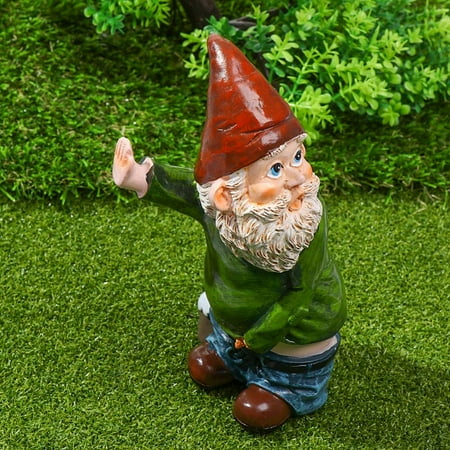
Selecting the right gnome requires considering your garden's overall theme and your personal aesthetic preferences. Traditional gnomes with long white beards, red pointed hats, and cheerful expressions work beautifully in cottage gardens, English-style landscapes, and rustic settings. These classic figures often depict gnomes engaged in garden-related activities like watering plants, sitting on toadstools, or carrying garden tools.
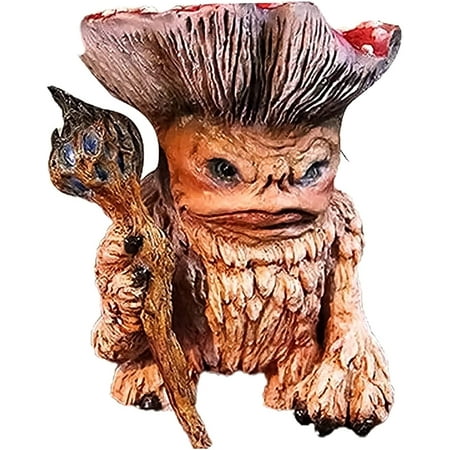
For modern gardens, consider contemporary gnome designs that feature sleek lines, minimalist features, or even humorous twists on the traditional form. Solar-powered gnomes that light up at night, gnomes with LED eyes, or figures with quirky expressions can add a playful element to contemporary outdoor spaces. Mediterranean gardens might benefit from gnomes with warmer color palettes, while Zen gardens could incorporate more subdued, contemplative gnome figures that complement the peaceful atmosphere.
Materials Matter: Understanding Gnome Construction
The material of your garden gnome significantly impacts its durability, appearance, and maintenance requirements. Ceramic and terracotta gnomes offer a classic, handcrafted look but require protection from freezing temperatures to prevent cracking. These materials develop a beautiful patina over time, adding character to your garden as they weather naturally.
Resin gnomes have become increasingly popular due to their durability and versatility. High-quality resin can mimic the appearance of stone or ceramic while being lightweight and resistant to weather damage. These gnomes often feature intricate details and vibrant colors that remain consistent over time. Concrete gnomes provide excellent stability and longevity, making them ideal for windy locations or areas where theft might be a concern.
Size and Scale: Finding the Right Proportion
The size of your garden gnome should complement your garden's scale and the plants surrounding it. Small gnomes (6-12 inches tall) work well in container gardens, rock gardens, or as part of a larger gnome village scene. Medium-sized gnomes (12-18 inches) are versatile enough to stand alone as focal points or integrate seamlessly into garden beds. Large gnomes (24 inches and taller) make bold statements and work best in expansive gardens where they won't get lost among the foliage.
Consider the viewing distance when selecting gnome sizes. Gnomes placed near pathways or seating areas can be smaller since viewers will be closer, while those positioned in distant garden beds may need to be larger to maintain visual impact. Group smaller gnomes together to create scenes or narratives, while larger individual pieces can serve as anchors for specific garden areas.
Creative Placement Ideas for Maximum Impact
Strategic placement of garden gnomes can enhance their charm and create delightful surprises throughout your outdoor space. Hidden nooks and crannies are perfect spots for smaller gnomes, creating a sense of discovery as visitors explore your garden. Tuck a gnome behind a large hosta leaf, position one peeking out from under a shrub, or place a figure near a water feature where it can "watch" over your pond.
Focal points and gathering areas benefit from more prominent gnome placement. Position a larger gnome near your garden entrance to welcome visitors, or place one on a garden bench where it appears to be enjoying the view. Elevated positions like tree stumps, large rocks, or garden walls allow gnomes to survey their domain while remaining visible from multiple angles. Consider creating themed gnome scenes that tell a story, such as a gnome family having a picnic or a group of gnomes tending to a miniature garden within your larger landscape.
Seasonal Gnome Styling Tips
Garden gnomes can adapt to seasonal changes, keeping your garden decor fresh throughout the year. During spring, position gnomes among early blooming bulbs or near flowering trees where they can celebrate the season's renewal. Summer arrangements might include gnomes placed near vegetable gardens, herb patches, or among colorful annual flowers where they can appear to be tending the plants.
Autumn offers rich opportunities for gnome styling, with figures positioned among fallen leaves, near pumpkins and gourds, or beside ornamental grasses that sway in the breeze. Some gardeners dress their gnomes in miniature seasonal accessories like tiny scarves or hats during cooler months. Winter doesn't mean gnome hibernation—instead, position them where they can be seen from windows, perhaps with small solar lights to highlight them during shorter days, or place them among evergreen plants where they maintain year-round visibility.
Caring for Your Garden Gnomes
Proper care ensures your garden gnomes remain charming features for years to come. Regular cleaning prevents dirt and algae buildup that can dull their appearance. Most gnomes can be cleaned with mild soap and water using a soft brush for intricate details. For stubborn stains on resin or concrete gnomes, a diluted bleach solution can help, but always test on a small area first to ensure it won't damage the finish.
Winter protection varies by material. Ceramic and terracotta gnomes should be brought indoors or placed in a protected area during freezing temperatures to prevent cracking. Resin and concrete gnomes are generally more weather-resistant but may benefit from being elevated slightly off the ground to prevent moisture damage. Consider applying a clear UV-resistant sealant annually to protect painted surfaces from fading due to sun exposure.
DIY Gnome Customization Projects
Personalizing your garden gnomes adds a unique touch that reflects your creativity and garden style. Painting projects allow you to refresh faded colors or completely transform a gnome's appearance. Use outdoor acrylic paints and seal with a weatherproof varnish for lasting results. You might paint your gnome to match your garden's color scheme or create themed gnomes for special occasions.
Accessory creation offers another avenue for customization. Craft miniature garden tools, tiny furniture, or seasonal decorations that your gnomes can "use" or display. Lighting enhancements can make your gnomes magical at night—add small solar lights, LED string lights, or even fiber optic elements to create glowing effects. Some gardeners create entire gnome villages with tiny houses, pathways, and accessories that transform a garden section into an enchanting miniature world.
The Growing Trend of Gnome Collecting
Garden gnome collecting has become a passionate hobby for many enthusiasts worldwide. Vintage gnomes from the early 20th century, particularly those made by renowned manufacturers like Heissner or the Griebel family's original Schöner firm, can be valuable collectibles. These antique pieces often feature superior craftsmanship and unique characteristics that distinguish them from modern mass-produced versions.
Limited edition and artist-designed gnomes have created new collecting opportunities. Contemporary artists are reimagining gnomes in various styles, from pop art interpretations to highly detailed sculptures that blur the line between garden ornament and fine art. Themed collections focusing on specific gnome occupations, historical periods, or artistic styles allow collectors to build cohesive displays that tell stories through their gnome arrangements.
Gnome Photography and Social Media Communities
The digital age has transformed how garden gnome enthusiasts share their passion. Social media platforms feature vibrant communities dedicated to gnome appreciation, with hashtags like #GardenGnomes, #GnomeLife, and #GnomeLove connecting thousands of enthusiasts worldwide. These communities share photos of creative gnome displays, offer care tips, and even organize virtual gnome meetups and exchanges.
Gnome photography has become an art form, with enthusiasts capturing their figures in creative poses and settings. Some create elaborate miniature scenes that tell stories, while others focus on artistic compositions that highlight the interplay between gnomes and their garden environments. Gnome travel adventures have emerged as a popular trend, where enthusiasts photograph their gnomes in various locations, creating a narrative journey that combines travel photography with gnome appreciation.
Conclusion
Garden gnomes represent far more than simple garden decorations—they're expressions of personality, creativity, and the joy of outdoor living. Whether you prefer traditional bearded figures, contemporary artistic interpretations, or humorous modern designs, there's a gnome that perfectly matches your garden style and personal taste. The key to successful gnome gardening lies in thoughtful selection, strategic placement, and proper care that ensures these charming figures remain vibrant features of your landscape for years to come.
As you explore the world of garden gnomes, remember that there are no strict rules—only opportunities for creative expression. Mix and match styles, create themed displays, or let a single striking gnome make a bold statement. The magic of garden gnomes lies in their ability to transform ordinary outdoor spaces into extraordinary retreats filled with personality and charm. So why not add a touch of whimsy to your garden today? Your perfect gnome companion awaits, ready to bring a smile to your face and delight to all who visit your garden sanctuary.