Transform Your Outdoor Space With Stunning Lawn Windmill Spinner Garden Decorations
Have you ever walked past a garden and found yourself captivated by a mesmerizing spinning ornament that dances with the wind? Lawn windmill spinner garden decorations are more than just yard ornaments—they're kinetic art pieces that bring movement, color, and personality to your outdoor spaces. These delightful garden accessories have become increasingly popular among homeowners looking to add visual interest and charm to their landscapes.
Whether you're a gardening enthusiast or simply someone who appreciates beautiful outdoor décor, lawn windmill spinners offer an affordable way to enhance your property's curb appeal. But what makes these spinning decorations so special, and how can you choose the perfect one for your garden? Let's explore everything you need to know about these enchanting garden additions.
The History and Evolution of Garden Spinners
Garden spinners have a rich history that dates back centuries. Originally, wind-powered devices were primarily functional, used for milling grain or pumping water. However, as decorative arts evolved, these utilitarian objects transformed into beautiful garden ornaments.
The modern lawn windmill spinner emerged in the 20th century as homeowners began seeking ways to add dynamic elements to their gardens. Early designs were simple metal constructions, but today's market offers an incredible variety of styles, materials, and sizes. From classic Dutch-inspired windmills to contemporary abstract designs, these spinners have evolved to suit every aesthetic preference.
Interestingly, the popularity of garden spinners surged during the 1960s and 1970s when kinetic art gained prominence in the art world. Artists like Alexander Calder inspired a generation to appreciate movement in sculpture, which naturally translated to outdoor decorative elements.
Types of Lawn Windmill Spinners Available
When shopping for lawn windmill spinner garden decorations, you'll discover a diverse range of options to suit different tastes and garden styles.
Traditional Windmill Designs
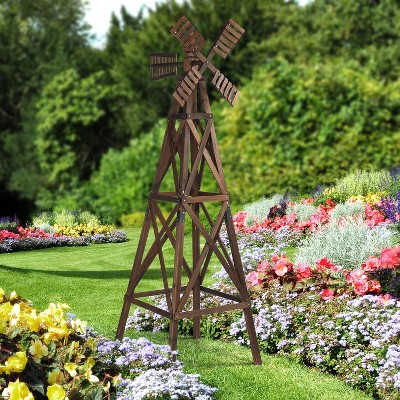
Classic windmill spinners pay homage to their agricultural roots with recognizable blades and towers. These designs often feature:
- Dutch-inspired wooden or metal constructions
- Multiple spinning blades that rotate in opposite directions
- Rustic finishes that complement traditional gardens
- Heights ranging from 4 to 8 feet tall
Traditional windmills work particularly well in cottage gardens, farmhouse-style landscapes, or properties with European architectural influences.
Modern Abstract Spinners
Contemporary designs break away from the classic windmill shape, offering:
- Geometric patterns and shapes
- Multi-layered spinning elements
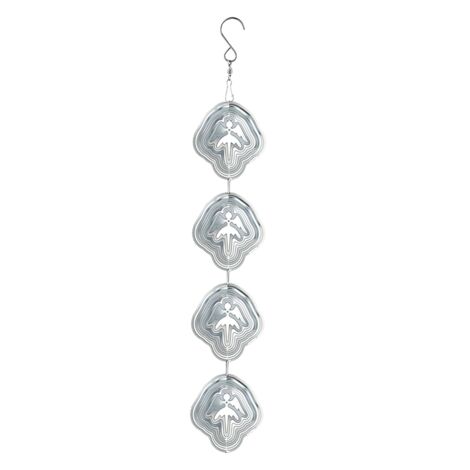
- Sleek metal finishes in copper, stainless steel, or powder-coated colors
- Innovative motion mechanisms that create unique visual effects
These modern spinners are perfect for minimalist gardens, contemporary homes, or anyone seeking a more artistic statement piece.
Themed and Novelty Spinners
For those who want to express their personality through garden décor, themed spinners include:
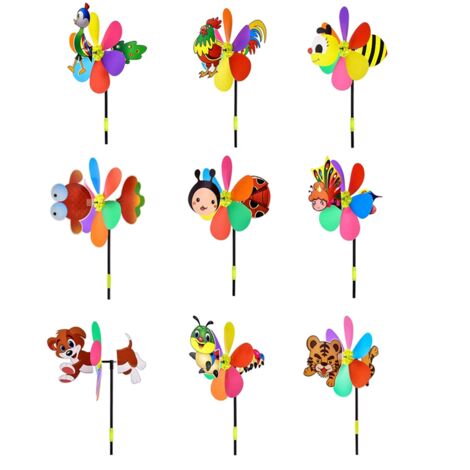
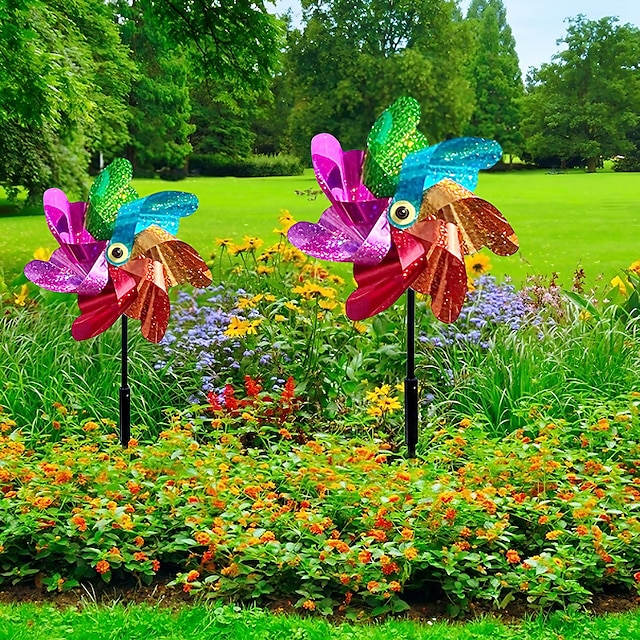
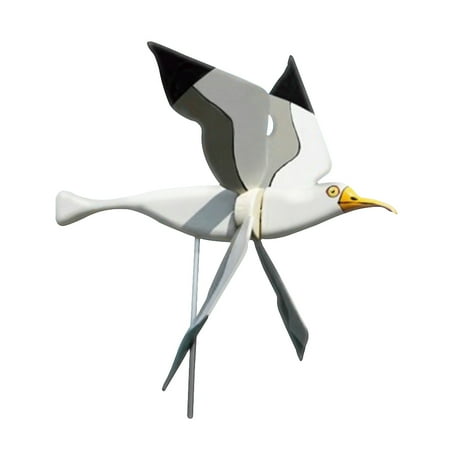
- Animal-shaped designs (birds, butterflies, dragonflies)
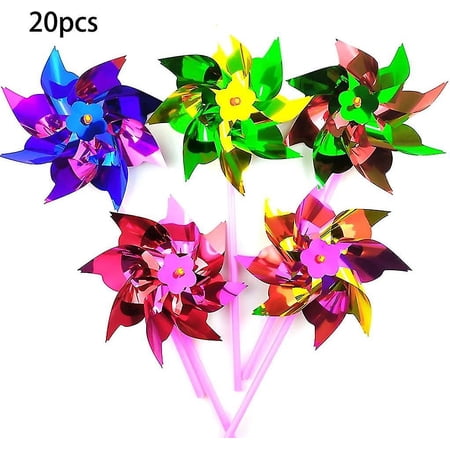
- Seasonal motifs (snowflakes, leaves, flowers)
- Whimsical characters and objects
- Solar-powered spinners with LED lights for nighttime display
These fun options allow you to customize your garden's personality and create conversation starters for visitors.
Materials and Construction Quality
The durability and appearance of your lawn windmill spinner largely depend on the materials used in its construction.
Metal Spinners
Metal remains the most popular choice for garden spinners due to its:
- Durability in various weather conditions
- Ability to create precise, balanced spinning mechanisms
- Versatility in design and finish options
- Long-lasting performance with proper maintenance
Common metals include stainless steel, copper, and powder-coated aluminum. Each offers different aesthetic qualities and weather resistance levels.
Wooden Spinners
Wooden spinners provide a natural, organic look that blends beautifully with garden environments:
- Cedar and redwood offer natural weather resistance
- Can be painted or stained to match your garden's color scheme
- Provide a warm, traditional aesthetic
- May require more maintenance than metal options
Mixed-Media Options
Many modern spinners combine materials for enhanced visual appeal:
- Metal frames with wooden accents
- Glass or acrylic elements for added color and light reflection
- Solar-powered lights integrated into metal structures
- Weather-resistant fabrics for certain designs
Installation and Placement Tips
Proper installation ensures your lawn windmill spinner garden decoration performs optimally and remains stable in various weather conditions.
Choosing the Perfect Location
Consider these factors when selecting a spot for your spinner:
- Wind exposure: Place in an area that receives consistent breezes
- Visibility: Position where it can be enjoyed from key viewing points
- Safety: Keep away from walkways and play areas
- Sunlight: Consider how sunlight affects the spinner's appearance throughout the day
Ideal locations include open lawn areas, near garden borders, or as focal points in flower beds.
Installation Methods
Most spinners come with ground stakes or mounting hardware, but installation techniques vary:
- Direct ground insertion: For smaller spinners with sturdy stakes
- Concrete footings: For larger, heavier spinners requiring maximum stability
- Deck or patio mounting: Using specialized brackets for hard surfaces
- Planter installation: Securing spinners in large decorative planters
Always follow manufacturer instructions and consider local weather conditions when installing your spinner.
Maintenance and Care
To keep your lawn windmill spinner looking beautiful and functioning properly, regular maintenance is essential.
Cleaning Procedures
Different materials require specific cleaning approaches:
- Metal spinners: Clean with mild soap and water, then apply protective wax
- Wooden spinners: Use wood cleaner and apply fresh sealant annually
- Painted surfaces: Gentle washing with non-abrasive cleaners to preserve finish
Regular cleaning prevents dirt buildup and allows you to inspect for any damage or wear.
Seasonal Maintenance
Weather conditions affect your spinner differently throughout the year:
- Spring: Check for winter damage and tighten any loose components
- Summer: Clean more frequently due to pollen and dust accumulation
- Fall: Remove fallen leaves and debris from moving parts
- Winter: Consider removing or covering spinners in harsh climates
Benefits Beyond Decoration
Lawn windmill spinner garden decorations offer advantages that extend beyond their aesthetic appeal.
Wildlife Attraction
Many spinners inadvertently benefit local wildlife:
- Bird attraction: Moving parts can attract curious birds to your garden
- Pollinator interest: Colorful spinners may draw beneficial insects
- Natural pest control: The movement can deter certain garden pests
Therapeutic Benefits
The gentle motion of spinning decorations provides psychological benefits:
- Stress reduction: Watching rhythmic movement can be calming
- Mindfulness enhancement: Spinners encourage present-moment awareness
- Garden enjoyment: Creates dynamic interest that draws people outdoors
Property Value Enhancement
Well-chosen garden décor can positively impact your property:
- Curb appeal improvement: Attractive spinners make good first impressions
- Landscape completion: Fill visual gaps in garden design
- Personal expression: Showcase your style to potential buyers
Popular Styles and Trending Designs
Garden design trends influence the popularity of certain lawn windmill spinner styles.
Current Trending Designs
Popular styles for this season include:
- Solar-powered spinners with integrated lighting
- Minimalist metal designs with clean lines
- Oversized statement pieces for dramatic effect
- Nature-inspired shapes that mimic organic forms
These trends reflect broader movements in outdoor living and garden design.
Color Trends
Color choices for spinners often follow interior and exterior design trends:
- Earthy tones: Bronze, copper, and muted greens
- Bold statements: Bright blues, reds, and yellows
- Classic neutrals: Black, white, and silver for timeless appeal
- Patina finishes: Oxidized copper and weathered steel
DIY Options and Customization
For crafty homeowners, creating your own lawn windmill spinner garden decoration offers a rewarding project.
Basic DIY Approaches
Simple spinner projects include:
- Recycled materials: Using old bicycle wheels, bottle caps, or cans
- Woodworking projects: Creating classic windmill designs from scratch
- Metal crafting: Bending and welding custom shapes
- Upcycled art: Transforming found objects into kinetic sculptures
DIY spinners allow for complete customization and can be more cost-effective than store-bought options.
Customization Ideas
Personalize your spinner with these creative touches:
- Custom paint schemes to match your garden's color palette
- Added lighting elements for nighttime display
- Personalized shapes or monograms
- Seasonal modifications to update your spinner throughout the year
Conclusion
Lawn windmill spinner garden decorations represent the perfect blend of art, engineering, and nature. These captivating outdoor ornaments bring movement, color, and personality to gardens of all sizes and styles. Whether you prefer traditional windmill designs, modern abstract sculptures, or whimsical themed spinners, there's an option to suit every taste and budget.
The benefits of adding a spinner to your garden extend far beyond mere decoration. These kinetic sculptures can reduce stress, attract wildlife, enhance property value, and provide year-round visual interest. With proper selection, installation, and maintenance, your lawn windmill spinner can become a cherished garden feature that brings joy for years to come.
As you consider adding one of these delightful decorations to your outdoor space, remember to choose a design that complements your existing landscape, select appropriate materials for your climate, and place it where it can be fully appreciated. Your garden—and your guests—will thank you for this dynamic addition to your outdoor décor.
FAQ
What size lawn windmill spinner should I choose for my garden?
The ideal size depends on your garden's scale and the spinner's intended purpose. For small gardens or flower beds, spinners 3-4 feet tall work well. Medium gardens benefit from 5-6 foot spinners, while large properties can accommodate 7-8 foot statement pieces. Consider viewing distance—larger spinners are more visible from afar.
How do I prevent my spinner from tipping over in strong winds?
Choose spinners with sturdy ground stakes or mounting systems. For extra stability, consider concrete footings for larger spinners or use ground anchors in areas prone to high winds. Some homeowners also use sandbags or decorative rocks around the base for additional weight.
Can lawn windmill spinners withstand all weather conditions?
Most quality spinners are designed to withstand typical weather conditions, but extreme weather may require precautions. Metal spinners generally handle rain and snow well, while wooden ones may need additional protection. In areas with severe storms or hurricanes, consider removing spinners temporarily.
How much do lawn windmill spinners typically cost?
Prices vary widely based on size, material, and design complexity. Simple small spinners start around $20-30, while medium-sized quality pieces range from $50-150. Large, elaborate, or custom-designed spinners can cost $200-500 or more. Consider your budget and how much you're willing to invest in garden décor.
Do I need to take down my spinner in winter?
This depends on your local climate and the spinner's material. In mild climates, spinners can remain year-round. In areas with heavy snow or ice, consider removing them to prevent damage. Wooden spinners benefit from seasonal removal in most climates to extend their lifespan.