Rustic Garden Decor DIY: Transform Your Outdoor Space On A Budget
Have you ever strolled through a charming countryside garden and wondered how to bring that effortless, weathered beauty into your own backyard? You’re not alone. The desire for a personal outdoor sanctuary that feels authentic, connected to nature, and uniquely yours is stronger than ever. But hiring a landscape designer for a farmhouse-inspired look can cost a small fortune. What if you could create that same magical, rustic vibe with your own two hands, using affordable materials and a dash of creativity? Welcome to the world of rustic garden decor DIY, where the most beautiful garden accents are the ones you build yourself from found, salvaged, and simple materials.
This comprehensive guide will walk you through everything you need to know to craft a stunning rustic garden. We’ll move beyond generic store-bought decorations and delve into the heart of DIY rustic charm. From sourcing the perfect reclaimed wood to mastering simple techniques that add instant age and character, you’ll learn how to build, upcycle, and arrange your way to an outdoor space that tells a story. Whether you have a sprawling vegetable plot or a modest city balcony, these principles and projects are adaptable to bring warmth and personality to your garden. Get ready to roll up your sleeves and unlock the transformative power of handmade rustic decor.
The Heart of Rustic: Understanding the Aesthetic & Sourcing Your Soul
Before we grab a hammer, it’s crucial to understand what makes decor feel genuinely "rustic." It’s not about being perfectly imperfect; it’s about embracing natural textures, weathered finishes, and functional forms. Think of a well-loved barn, a fence worn smooth by time, or a collection of old gardening tools. The core principles are simplicity, durability, and a sense of history. Your DIY projects should look like they could have been there for decades, even if you finished them last weekend. This aesthetic celebrates the material itself—the grain of the wood, the patina of metal, the roughness of stone—over ornate decoration.
The single most important step in achieving authentic rustic decor is sourcing your materials thoughtfully. The character of your project is 80% determined by what you start with. Here’s where to find your treasures:
- Reclaimed Wood: This is the gold standard. Look for old barn wood, shipping pallets (ensure they are heat-treated, not chemically treated—look for "HT" stamp), discarded fencing, and even old furniture. Salvage yards, demolition sites (with permission), online marketplaces like Facebook Marketplace or Craigslist, and even your own attic or garage are fantastic sources. Always inspect for rot, insect damage, and nails.
- Galvanized Metal: Buckets, tubs, watering cans, and sheet metal have a lovely, utilitarian rusticity. Check farm supply stores, flea markets, and antique shops. Light surface rust can add character; deep pitting may compromise structural integrity.
- Natural Elements: Stones, driftwood, large branches, and pinecones are free if you forage responsibly. Ensure you have permission to collect from public or private land.
- Vintage & Thrifted Items: Old windows, shutters, ladders, enamelware, and primitive tools make incredible decorative focal points. Thrift stores, estate sales, and yard sales are your playgrounds.
Safety First: When working with reclaimed materials, always wear safety glasses, a dust mask (especially when sanding old wood which may contain lead-based paint), and gloves. Test for lead paint if the item is pre-1978. Clean materials thoroughly with a wire brush and soapy water.
Building with Beauty: Core DIY Projects for Rustic Charm
With your materials gathered, let’s translate that rustic vision into tangible, beautiful projects. These are designed for beginners to intermediate DIYers, focusing on impact over complexity.
Crafting the Perfect Rustic Planter Boxes
Nothing says "garden" more than a simple, sturdy planter. Forget sleek modern rectangles; embrace asymmetry, rough-hewn edges, and visible joinery.
- Design Philosophy: Opt for designs that look improvised. A simple rectangular box is fine, but consider an A-frame plant stand made from two reclaimed fence posts and a few boards, or a tiered planter using stacked old crates. The key is visible screws (use rustic-looking black or bronze screws), optional corner bracing with old hinges or straps, and leaving the wood mostly untreated to weather naturally.
- Construction Tip: Use exterior-grade screws and, if the wood is very soft or will hold heavy soil, consider adding simple corner braces. For longevity, line the inside with a plastic sheet (punctured for drainage) to protect the wood from constant moisture. A 50/50 mix of boiled linseed oil and mineral spirits is a fantastic, non-toxic finish that penetrates, enhances grain, and provides moderate water resistance without creating a plasticky film.
- Placement Magic: Group planters of varying sizes and heights together. Plant rustic-friendly herbs like rosemary, thyme, and sage, or heirloom vegetables like purple kale and flowering chard. Allow some plants to spill over the edges casually.
Galvanized Metal: From utilitarian to Enchanting
The cool, industrial look of galvanized metal provides a beautiful contrast to soft greenery and warm wood.
- Project Idea - The Rustic Water Feature: A simple, large galvanized livestock tank or washtub can become a serene pond or birdbath. Place it partially buried in the soil or on a bed of gravel. Add a small, solar-powered fountain pump for the soothing sound of water. Surround it with river stones, ferns, and hostas. For a more whimsical touch, repurpose an old galvanized watering can by drilling holes in the bottom and hanging it as a cascading planter for trailing flowers like petunias or million bells.
- Project Idea - Metal Garden Markers: Cut strips of old galvanized roof flashing or a discarded sign. Use a metal stamping kit and a hammer to imprint plant names (e.g., "Basil," "Zinnias") directly into the metal. The indentations will age and darken beautifully. Attach a simple wooden stake to the back with a screw. This is a project that takes minutes but adds immense charm.
The Art of Salvage: Turning Trash into Treasure
This is where your creativity truly shines. Look at an object not for what it is, but for what it could be.
- Old Window as a Garden "Picture Frame": Find a window with character—wavy glass, old hinges, a chipped paint finish. Clean it carefully. You can leave it as a decorative screen leaning against a fence, or prop it on a sawhorse and use the individual panes as miniature frames for air plants or tiny succulents in soil. Hang it on a garden wall as a unique focal point.
- Wagon Wheel Wonder: A weathered wooden wagon wheel is instant rustic decor. Use it as a backdrop for climbing roses or clematis. Lay it flat on the ground as a unique stepping stone path (fill the gaps with moss or gravel). Or, attach small pots or baskets to the spokes to create a vertical herb garden.
- Ladder Logic: An old wooden ladder, even a broken one, is incredibly versatile. Lean it against a wall or fence and drape fairy lights and climbing vines over it. Lay it horizontally on some stacked bricks to create a shelf for potted plants. Hang smaller baskets from the rungs using S-hooks.
Arranging the Rustic Narrative: Creating Cohesion in Your Garden
Individual projects are great, but a truly magical rustic garden feels like a curated, cohesive space. This is where arrangement and repetition come into play.
- The Rule of Three: Group items in odd numbers—three planters, five vintage tools propped together, a cluster of three galvanized buckets. This feels more natural and less staged than even numbers.
- Mix Textures Relentlessly: The magic is in the contrast. Pair rough, unfinished wood with smooth, cool metal. Place soft, feathery ferns against rough, lichen-covered stone. Let the delicate bloom of a peony rest on a weathered wooden bench. This interplay creates visual interest and depth.
- Let Nature Reclaim: Don't fight the natural aging process. Allow moss to grow on the north side of a wooden bench. Let vines creep up a salvaged window frame. Let your rustic garden decor diy pieces slowly blend into the landscape. This is not neglect; it’s the final stage of the rustic aesthetic.
- Create "Moments": Design small vignettes throughout your garden. A rustic stool with a pot of lavender and a vintage trowel resting on it. A stack of old books (sealed for weather) beside a bench with a cup-shaped stone for birds. These little stories invite the visitor to pause and explore.
Answering Your Burning Rustic Garden Questions
Q: Can I achieve a rustic look with new materials?
A: Absolutely! While reclaimed materials are ideal, you can fake age. Use new, untreated pine or fir and distress it with a chain, wire brush, or by leaving it outside to weather for a season. Apply a white or gray wash (paint thinned heavily with water) and sand it back to highlight the grain. For metal, use spray paints formulated for galvanized metal in matte finishes like "Weathered Zinc" or "Rusted Copper."
Q: How do I make my DIY rustic decor last through seasons?
A: Preparation is key. For wood, use a penetrating oil like linseed or a high-quality exterior deck stain. For metal, a clear rust-inhibiting spray sealant can slow patina if desired. Ensure all pieces have excellent drainage to prevent water pooling. Elevate items off the ground with bricks or feet to avoid wicking moisture. Bring the most delicate pieces (like paper-thin old signs) indoors during harsh winters.
Q: My style is more "shabby chic" than "rough farmhouse." How do I adapt?
A: Focus on softer finishes and lighter colors. Use painted wood (chipped white, pale blue, soft pink) instead of raw. Incorporate vintage enamelware, lace curtains in a garden shed, and repurposed furniture like an old dresser used as a potting bench. The principles of DIY and salvage remain the same; just choose materials with a more delicate, feminine past.
Q: I don't have a lot of space. Can I still do rustic garden decor?
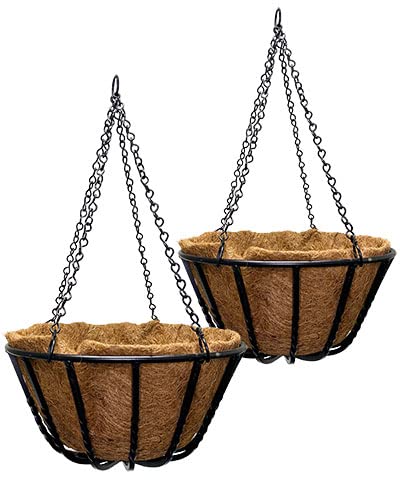
A: More than ever! Vertical gardening is your best friend. Use a pallet (sand and seal it) as a vertical planter for herbs and strawberries. Hang rustic baskets or old tin cans on a fence or wall. A single, beautifully arranged window box made from scrap wood can hold immense charm. A cluster of three small galvanized buckets on a patio table makes a big statement.
The Sustainable Soul: Why Rustic DIY is More Than Just Style
Choosing rustic garden decor diy is a conscious decision that extends far beyond aesthetics. It’s a powerful act of sustainability and mindful consumption. In a world of fast furniture and disposable decor, creating beauty from what others discard is a quiet rebellion. According to the EPA, wooden furniture and furnishings account for a significant portion of municipal solid waste. By reclaiming wood, you divert it from landfills and reduce the demand for new timber. You’re also preserving a piece of local history—that barn board might have come from a building that stood for a century. This connection to material history gives your garden an authenticity no big-box store can replicate. Furthermore, the process of hunting for materials, cleaning them, and transforming them is deeply satisfying and therapeutic. It fosters a slower, more intentional way of living that perfectly complements the peace we seek in our gardens.
Your Rustic Garden Journey Starts Now
You now have the blueprint. The philosophy, the sourcing secrets, the project blueprints, and the styling know-how are all in your hands. The most important ingredient, however, is your own imagination and willingness to experiment. Start small. Perhaps this weekend, you find an old bucket and turn it into a blooming planter. Next month, you tackle a window frame. Rustic garden decor diy is not about achieving a perfect Pinterest board in a day; it’s about the joyful, ongoing process of building a space that is uniquely yours, piece by weathered piece.
Embrace the imperfections. A slightly crooked cut, a knot in the wood, a patch of rust—these are not flaws; they are the signatures of authenticity that make your garden feel real and lived-in. As you work, you’ll develop an eye for potential in discarded objects. You’ll learn which woods weather best, how to work with metal, and how to arrange for maximum impact. This skillset is invaluable and will continue to grow your garden’s character for years to come.
Conclusion: Cultivating a Legacy, One DIY Project at a Time
Ultimately, creating a rustic garden through DIY is about more than just decorating a patch of earth. It’s about cultivating a legacy of resourcefulness and beauty. Every salvaged beam, every upcycled bucket, every hand-stamped metal marker represents a choice to value story over convenience, to invest time over money, and to connect with the natural rhythms of growth and decay. Your garden becomes a living gallery of your creativity and a sanctuary that reflects a slower, more intentional pace of life.
So, look at your outdoor space with new eyes. See the potential in that cracked pot, that leaning fence post, that pile of old bricks. The journey to a breathtaking rustic garden begins not with a grand purchase, but with a single, inspired act of making. Pick up that hammer, find your first piece of reclaimed treasure, and start building the garden of your handmade dreams. The most beautiful, authentic, and soulful garden decor is the kind you create yourself. Now, go make something beautiful.