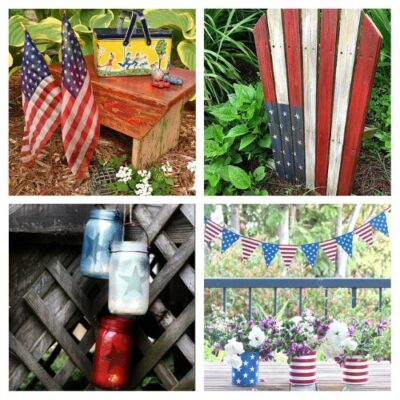
Rustic Garden Decor DIY Vintage: Transform Your Outdoor Space With Timeless Charm
Have you ever wandered through a garden and felt instantly transported to a simpler, more peaceful time? A place where weathered wood tells a story, vintage finds whisper of generations past, and every element feels perfectly, intentionally imperfect? That’s the magic of rustic garden decor DIY vintage. It’s more than just a style; it’s a philosophy that celebrates history, resourcefulness, and a deep connection to nature. In a world of mass-produced, sleek modern designs, creating a rustic vintage garden offers a soulful sanctuary right outside your door. This comprehensive guide will walk you through every step of curating and crafting your own outdoor haven, blending the charm of yesteryear with the satisfaction of a hands-on, do-it-yourself approach.
What Exactly is Rustic Garden Decor? Defining the Timeless Appeal
Rustic garden decor is an aesthetic that embraces natural, unfinished, and weathered materials. It’s about function meeting form in the most unpretentious way. Think of a well-loved wooden fence, a galvanized metal tub filled with herbs, or a stone path worn smooth by time. The vintage component adds a layer of history and patina. These aren’t new items distressed to look old; they are genuinely old or inspired by old-world craftsmanship. A vintage watering can, an antique iron gate repurposed as a trellis, or a set of chipped enamelware all contribute to a narrative. Together, rustic vintage creates a cohesive look that feels collected, personal, and deeply authentic. It rejects the perfect and embraces the beautiful imperfections—the crack in the ceramic, the rust on the metal, the grain in the reclaimed wood. This style connects your garden to the land and to memories, making it a true extension of your home’s personality.
The Treasure Hunt: Sourcing Your Rustic Vintage Materials
The journey to a rustic garden begins long before you pick up a tool; it starts with the thrill of the hunt. Sourcing materials is a core part of the DIY vintage experience. You’re not just buying decor; you’re acquiring pieces with a past.
Flea markets and antique shops are goldmines. Look for old tools, milk pails, hay rakes, and enamel signs. Don’t overlook broken items—a single vintage window frame can become a stunning garden mirror or a succulent frame. Thrift stores and charity shops often have hidden gems like ceramic pots, wooden crates, and linens that can be used for outdoor cushions or shade cloths. Farmers and rural neighbors might have old barn wood, wagon wheels, or feed sacks they’re willing to part with. Always ask for permission and be prepared to clean or restore items. Online marketplaces like Facebook Marketplace, Craigslist, or Etsy are excellent for finding specific vintage items, but remember to factor in shipping costs for heavy items like stone or metal. The key is to see the potential in everything. A rusty bucket is a planter. A chipped ceramic bowl is a birdbath. A stack of old bricks is a border. Train your eye to look beyond surface flaws to the inherent character beneath.
Foundational DIY Projects: Building Your Rustic Skeleton
Start your rustic garden decor DIY journey with a few foundational projects that establish the structure and feel of your space.
Project 1: The Pallet Planter Wall
Reclaimed wooden pallets are the quintessential DIY rustic material. They’re often free and incredibly versatile.
- Source: Look for pallets marked with "HT" (heat treated) rather than "MB" (methyl bromide treated). Clean them thoroughly.
- Deconstruct: Use a pry bar to remove the planks. You’ll have a collection of weathered, imperfect boards.
- Build: Assemble the boards into a simple rectangular frame. For a vertical planter, create a series of deep boxes or shelves. You can leave the wood raw for a silvery-gray look, or use a outdoor-rated, matte-finish paint in a muted color like sage green or barn red for a pop of vintage color.
- Plant: Fill the boxes with good drainage and your favorite rustic-suited plants: trailing ivy, herbs like rosemary and thyme, or vibrant annuals like petunias.
Project 2: Tin Can Lanterns & luminaries
Galvanized steel or vintage tin cans become magical light sources with minimal effort.
- Collect: Gather cans of various sizes. Clean thoroughly and remove labels.
- Design: Use a hammer and nails or a drill to punch patterns—stars, hearts, simple geometric shapes—into the sides. The more rustic and uneven the holes, the better.
- Finish: You can leave them raw for a rustic industrial look, or spray paint them with a matte black or copper-colored paint designed for metal.
- Illuminate: Place a battery-operated tea light or a small citronella candle inside. Group them along a path, on a patio table, or hanging from tree branches for a enchanting vintage-inspired glow.
The Art of Upcycling: Giving Trash a Treasured New Life
True rustic garden decor DIY vintage spirit lives in upcycling—transposing discarded items into functional art. This is where your creativity truly shines.
- Mason Jar Everything: Those ubiquitous glass jars are DIY dream vessels. Turn them into mini terrariums, hanging herb gardens (fill with soil, plant herbs, and hang in a cluster), or simple votive holders. For a vintage touch, use jars with embossed logos and wire bail closures.
- The Wheelbarrow Planter: An old, rusted wheelbarrow is instant character. Ensure it has drainage holes (drill some if needed), fill with rich soil, and plant overflowing flowers like geraniums and lobelia. It looks like it’s been there forever, nurturing life.
- Vintage Suitcase Garden: A worn leather or canvas suitcase with a broken latch becomes a portable, charming container garden. Line it with plastic, add drainage, and plant a miniature fairy garden or a collection of succulents.
- Enamelware Reborn: Chipped enamel basins, colanders, and pitchers are perfect for rustic container gardening. The chips and wear add to the story. Use a large colander as a hanging basket (line with moss first) or a basin as a statement water feature for birds.
Crafting with Nature: Integrating Organic & Weathered Textures
A rustic vintage garden is a tactile experience. Layer textures to create depth and interest. Combine the rough-hewn texture of split-rail fencing with the smooth, cool feel of river stones. Pair the soft, faded fabric of a burlap sack cushion with the hard, aged patina of a cast-iron garden bench. Incorporate natural elements like driftwood (for trellises or sculpture), pine cones, seed pods, and dried grasses in arrangements. Even your plant choices contribute to the texture: the feathery plumes of ornamental grasses, the velvety leaves of lamb's ear, the bumpy skin of artichokes, and the delicate blossoms of sweet peas. The goal is to create a space that feels like it has grown organically, where every material feels honest and true to its nature.
The Rustic Color Palette: Earth Tones and Muted Hues
Your DIY vintage garden’s color scheme should feel harvested from the landscape, not from a neon sign. Think muted, earthy tones:
- Greens: Sage, olive, moss, and forest green. These are the colors of foliage and provide a calming backdrop.
- Neutrals: Cream, beige, oatmeal, and taupe. Perfect for fences, furniture, and textiles.
- Warm Accents: Terracotta, rust, mustard yellow, and burgundy. These add warmth and a touch of vintage nostalgia, reminiscent of old flower varieties and sun-bleached paint.
- Blues: A soft, chipped blue (like old barn paint or faded denim) adds a serene, country touch.
When painting any DIY project (like a pallet planter or a wooden sign), opt for chalk paint or milk paint. They dry to a beautiful, matte, slightly uneven finish that looks authentically rustic and ages gracefully. Avoid high-gloss, modern paints at all costs.
Maintenance for the Modern Rustic Gardener: Keeping the Charm Alive
The beauty of rustic garden decor is that it looks better with a little wear and tear. However, some basic maintenance ensures longevity and safety.
- Wood: Untreated reclaimed wood will naturally silver and crack, which is desirable. If you want to slow the process, use a penetrating, UV-protective oil like linseed or tung oil. Avoid film-forming polyurethanes, which can peel and look plastic.
- Metal: Galvanized steel will develop a stable, protective layer of patina. For iron that is actively rusting, use a wire brush to remove loose scale, then apply a rust converter to stabilize it. A coat of matte black spray paint designed for metal can also be used to refresh a piece while keeping the rustic feel.
- Ceramic & Pottery: Ensure all containers have adequate drainage. In winter, empty and store terra cotta pots to prevent cracking from freeze-thaw cycles.
- Textiles: Outdoor cushions and burlap should be made from solution-dyed acrylic fabrics that resist fading and mildew. Store them in a dry place during heavy rains or winter. The goal is managed decay, not catastrophic ruin.
Seasonal Styling: Your Rustic Garden Through the Year
A vintage garden is a living space that evolves. Embrace each season with simple, DIY touches.
- Spring: Add painted wooden signs with encouraging messages ("Grow," "Bloom"). Hang vintage egg baskets filled with pansies. Place a rusty old watering can by a cluster of tulips.
- Summer: Focus on abundance. Use an old washtub as a drink station with a stack of enamel cups. Hang a cluster of tin can lanterns for evening ambiance. Weave dried lavender into a vintage fence.
- Fall: Incorporate pumpkins, gourds, and dried corn stalks. A wheelbarrow overflowing with orange mums and wheat stalks is quintessential rustic. Add bundles of twigs tied with twine.
- Winter: Structure is key. Leave ornamental grasses and seed heads for birds and visual interest. Wrap garlands of dried berries or orange slices around trellises. Place a vintage sled or iron wheel against a fence as a sculptural element. Fill an old bucket with evergreen boughs.
The Heart of the Matter: Why Rustic Vintage Decor Speaks to the Soul
Beyond the aesthetics, the rustic garden decor DIY vintage movement taps into a deeper human desire. In our digital, fast-paced world, creating something tangible with our hands is profoundly satisfying. Each DIY project, each vintage find, is a story. That chipped enamel pitcher? It might have come from a 1950s farmhouse. Those pallet boards? They may have traveled across the country on a truck. Your garden becomes a living museum of your own making, a testament to patience, creativity, and a respect for the old. Studies in environmental psychology show that natural, textured, and personally meaningful environments reduce stress and increase feelings of well-being. Your rustic garden isn’t just a view; it’s a therapeutic sanctuary. It’s the place where you can literally get your hands dirty, connect with the cycles of nature, and surround yourself with objects that have soul. It’s an antidote to disposable culture, promoting sustainability through upcycling and resourcefulness.
Frequently Asked Questions (FAQs)
Q: Is rustic garden decor expensive?
A: Not if you embrace the DIY vintage ethos! The core of this style is using found, free, or inexpensive materials. Sourcing from flea markets, thrift stores, and your own garage is key. The investment is your time and creativity, not your wallet.
Q: How do I make my rustic garden look cohesive and not messy?
A: Cohesion comes from a limited color palette and repeating materials. Stick to your earthy tones. Use the same type of wood (e.g., all weathered pine) or metal (e.g., all galvanized steel) in multiple places. Create "vignettes" or groupings of 3-5 items with similar textures or colors to create intentional clusters rather than scattered clutter.
Q: Can I mix rustic decor with a modern garden?
A: Absolutely! This is often called "modern rustic" and is very effective. Use clean, modern lines for hardscaping (like a concrete patio) and introduce rustic elements as accents: a single vintage bench, a cluster of tin can lanterns, or a pallet planter wall. The contrast highlights the beauty of both styles.
Q: What are the best plants for a rustic garden?
A: Choose plants with a "wild" or "heirloom" feel. Perennials like lavender, coneflowers, black-eyed Susans, and ornamental grasses. Vintage roses, hollyhocks, and delphiniums add height and romance. Herbs like rosemary, sage, and thyme look beautiful and are functional. Let some plants self-seed for a naturalized look.
Q: How do I safely display heavy vintage items like iron gates or wagon wheels?
A: Ensure they are securely anchored. A heavy vintage gate can be propped against a wall or fence and secured with heavy-duty hooks or brackets. For a wagon wheel, you can hang it from a sturdy tree branch or S-hooks on a post. Always test for stability, especially in wind or if children are around.
Conclusion: Your Personal Sanctuary Awaits
Creating a rustic garden decor DIY vintage space is not about achieving a picture-perfect magazine spread. It is a deeply personal, ongoing journey. It’s about the joy of the hunt at a yard sale, the satisfaction of a finished DIY project, and the peace of sipping tea surrounded by objects that tell a story. Start small. Pick one corner, one upcycled project, or one vintage find. Let your garden evolve organically, layer by layer, season by season. Embrace the imperfections, the weathering, and the happy accidents. In doing so, you’ll do more than decorate a plot of land—you’ll cultivate a legacy of charm, sustainability, and quiet beauty that will nourish your spirit for years to come. Now, go find that first treasure. Your rustic, vintage garden is waiting to be born.