Rustic Garden Decor & Funky Junk: How To Transform Trash Into Treasure
Have you ever strolled through a garden and paused, captivated by a piece that looks like it was plucked from a fairy tale—a weathered birdcage overflowing with blooms, a bathtub turned into a cascading water feature, or a collection of mismatched china embedded in a wall? That, my friend, is the magic of rustic garden decor funky junk. It’s the art of seeing beyond the rust, the cracks, and the "junk" label to envision a story waiting to be told. In a world of mass-produced, identical lawn ornaments, this approach whispers of personality, sustainability, and pure, unadulterated creativity. But how do you start? Where do you find these treasures, and more importantly, how do you make them look intentionally charming instead of just messy? This guide will dismantle the mystery, turning your cluttered shed or local flea market into your greatest design asset. We’ll explore the philosophy, the sourcing secrets, the DIY techniques, and the design principles that will help you curate a garden that is uniquely, joyfully yours.
What Exactly Is Rustic Garden Decor Funky Junk?
Before we dive into the "how," let’s define the "what." Rustic garden decor is an aesthetic rooted in simplicity, natural materials, and a sense of history. Think rough-hewn wood, wrought iron, galvanized metal, and stone. It rejects polish for patina, perfection for character. Now, add the word "funky junk" to the mix, and the equation gets wonderfully wild. "Funky" implies an eclectic, bold, and often humorous personality. "Junk" is the raw material—discarded, forgotten, or overlooked objects. Together, rustic garden decor funky junk is the deliberate, artistic repurposing of cast-off items into garden art that is both earthy and eccentric. It’s the philosophy that one person’s trash is a gardener’s treasure, provided it’s given the right context and care. This style is a direct rebellion against the sterile, big-box store garden center. It champions upcycling (giving an item a higher purpose) over recycling (breaking it down), and it tells a story with every piece. A 2022 survey by the Garden Design Journal found that over 70% of homeowners looking to redesign their outdoor spaces prioritized "unique, personal touches" over "coordinated, store-bought sets," proving that this isn't just a niche trend—it's a mainstream desire for authentic connection to our spaces.
The Core Pillars: Rustic Meets Funky
To master this look, understand its two foundational pillars. The rustic element provides the grounding, the texture, and the connection to nature. It’s the weathered wooden crate, the cracked ceramic pot, the tarnished copper tub. These pieces speak of time, weather, and the outdoors. The funky element is the spark of surprise, the pop of whimsy, the bold statement. It’s the brightly painted bicycle mounted on a fence, the collection of vintage typewriters planted with succulents, or the mismatched, hand-painted signs with cheeky sayings. The magic happens at the intersection. A rusty, old wheelbarrow (rustic) overflowing with a riot of colorful, non-matching flowers (funky) is a perfect example. The key is balance. Too much rustic can look neglected; too much funky can look chaotic. The goal is a curated chaos, where every "junk" piece feels intentionally placed and harmoniously eccentric.
Where to Find Your "Junk": A Treasure Hunter's Guide
The first step in your rustic garden decor journey is sourcing the materials. This is where the adventure begins, and you must adopt the mindset of a treasure hunter. Your sources can be broken down into four main categories, each with its own etiquette and potential.
1. The Classic Hunt: Thrift Stores, Flea Markets, and Antique Shops
These are the traditional goldmines. Thrift stores (Goodwill, Salvation Army) are excellent for finding cheap, quirky glassware (for mosaic projects), old metal tools, ceramic figurines, and fabric for outdoor cushions. Go early in the week for the best fresh donations. Flea markets and antique malls are where you’ll find the higher-end, more character-filled pieces: vintage milk pails, enamelware, cast iron garden ornaments, and old windows or doors perfect for garden walls. Here, haggling is expected. Always ask the vendor the story behind an item—you might learn it’s a genuine farm relic, adding immense value. Visit these places regularly; inventory turns over constantly.
2. The Digital Dig: Online Marketplaces
Platforms like Facebook Marketplace, Craigslist, OfferUp, and eBay are unparalleled for specific, large-scale finds. Search terms are your best friend: "vintage wheelbarrow," "old barn wood," "galvanized trough," "wrought iron gate." You can often find incredible deals on people clearing out garages and barns. The key here is patience and vigilance. Set up saved searches with alerts. Be prepared to act fast and have a truck or trailer ready. Always meet in safe, public places and inspect items thoroughly for structural integrity before purchasing.
3. The Free-for-All: Curbside Alchemy & Community Swaps
This is the purist's playground. Curbside hunting—driving through neighborhoods on bulk trash pickup days—can yield old doors, wooden pallets (ensure they are heat-treated, not chemically treated, marked "HT"), metal ladders, bathtubs, and toilets (surprisingly popular as planters!). Community "Buy Nothing" groups on Facebook are fantastic for requesting specific items or finding people giving things away for free. A simple post asking, "Does anyone have an old, non-working wheelbarrow or a stack of bricks they’re getting rid of?" can work wonders. This method is the ultimate in sustainable sourcing and often comes with delightful stories from the previous owner.
4. Your Own Backyard: The Personal Archive
Never underestimate the potential of your own garage, attic, or shed. That broken rake can become a rustic trellis. The old, leaky watering can is a perfect, distressed planter. Chipped and mismatched ceramic dishes can be broken safely and used in a mosaic tabletop. This personal archive adds the deepest layer of meaning to your garden, embedding your own history into the landscape.
From Junk to Jewel: DIY Transformation Projects
Finding the piece is only half the battle. The transformation is where your creativity and craftsmanship shine. The goal of DIY on rustic junk is not to restore it to a pristine state, but to prepare it for its new life while enhancing its inherent character.
Essential Prep: Cleaning, Stabilizing, and Protecting
Before any creative work, every piece needs basic preparation.
- Cleaning: Use a wire brush for heavy rust on metal, followed by a wipe-down with a vinegar-water solution (1:1) to neutralize further corrosion. For wood, scrub with a stiff brush and mild soap to remove dirt and loose paint. Always wear gloves and safety goggles.
- Stabilizing: For wobbly furniture or structures, use wood glue for joints and corner brackets or deck screws for hidden reinforcement. The piece must be safe and functional.
- Protecting: This is crucial for longevity. For metal, apply a clear, rust-inhibiting sealant (like a matte polyurethane or a specialized rust converter) after cleaning. For wood, especially if it will contact soil, use a non-toxic, penetrating deck stain or linseed oil. For ceramic or glass, a simple sealant isn't usually needed unless it's porous. Remember, in rustic decor, a little weathering over time is part of the charm, but uncontrolled rot or rust is not.
Project Spotlight: Three Beginner-Friendly Transformations
- The Mosaic Masterpiece: Take a cracked, old terracotta pot, a wooden stool seat, or even a section of concrete. Break old plates, ceramic tiles, or even glass bottles (wear safety glasses!) into pieces. Using a tile adhesive, arrange the shards in a pattern, leaving small gaps. Grout over the top with a sanded grout, wipe clean, and seal. The result is a stunning, one-of-a-kind planter or tabletop.
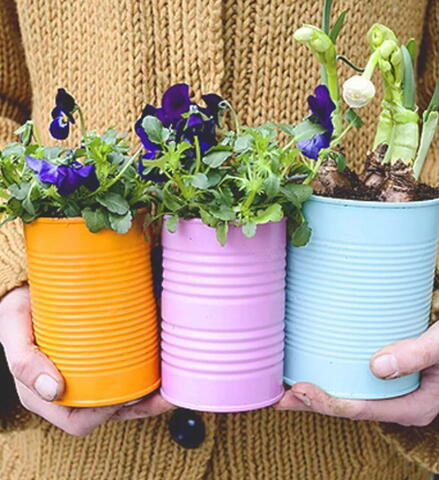
- The Painted Statement: A simple coat of paint can dramatically shift an item's mood. Use chalk paint for a matte, shabby-chic look that requires little prep. For a bold, funky statement, use exterior acrylic latex paint in a vibrant color like fuchsia, cobalt blue, or tangerine on an old metal chair, wheelbarrow, or garden tool rack. Distress it lightly with sandpaper after drying to reveal hints of the original finish.
- The Functional Sculpture: Combine multiple junk items to create something new. Nail several old wooden pallets together to form a vertical pallet planter for herbs and strawberries. Stack old bricks or concrete blocks to create a tiered display for potted plants. Weld or wire together vintage garden tools (rakes, hoes) to form a whimsical garden arch or sculptural form.
Designing with Funky Junk: Principles for a Cohesive Look
You could have the most amazing collection of repurposed items, but without a design eye, your garden can quickly look like a junkyard. These principles will help you curate a space that feels intentional and artistic.
Theme & Color Palette
Decide on a loose theme to guide your selections. This could be "Industrial Rustic" (galvanized metal, bare bulbs, caster wheels), "Shabby Farmhouse" (chipped white paint, pastel colors, lace), or "Whimsical Woodland" (tree stumps, moss, natural fibers). Once you have a theme, establish a color palette. A rustic palette often revolves around neutrals (cream, beige, gray, brown) and metallics (rust, iron, copper). Your funky elements then introduce pops of color. Stick to 2-3 accent colors maximum (e.g., mustard yellow, deep teal, and terra cotta) repeated throughout the garden to create harmony amidst the eclecticism.
Scale, Texture, and Focal Points
- Scale: Mix large anchor pieces (an old wagon, a bathtub planter) with medium accents (painted ladders, birdhouses) and small details (painted stones, miniature furniture in a "fairy garden").
- Texture: This is the secret weapon. Combine rough (weathered wood, bark), smooth (polished glass, glazed ceramic), hard (metal, stone), and soft (moss, flowing fabrics) textures in the same vignette. The contrast is visually delicious.
- Focal Points: Every garden needs one or two main attractions. This could be your largest, most dramatic junk creation—a repurposed tractor tire as a giant flower bed, or a tower of old windows creating a greenhouse effect. Build the rest of your decor around these focal points.
Placement & The "Rule of Three"
Avoid scattering single items everywhere. Group items in odd numbers (3, 5, 7) for visual interest. Create vignettes—small, themed scenes—in corners, against fences, or within planting beds. A vignette might include a rustic bucket, a funky painted stool, and a few trailing plants. Leave negative space (empty areas) to let your eye rest and to highlight your best pieces. Think of your garden as a gallery; each piece needs room to be appreciated.
Seasonal & Thematic Rustic Funky Ideas
Your rustic funky garden can evolve with the seasons, keeping it fresh and engaging year-round.
- Spring: Embrace rebirth with egg carton seedling starters painted bright colors, vintage watering cans filled with tulips, and mismatched, chipped ceramics as bulb planters. Hang old, funky spring-themed signs.
- Summer: Go bold with brightly painted furniture, tin can lanterns for evening ambiance, and bathtub or barrel planters overflowing with summer annuals. Use old window screens as rustic trellises for climbing beans or cucumbers.
- Fall: Highlight harvest themes with pumpkins in vintage crates, corn stalk bundles tied with funky, patterned fabric, and old ladders draped with string lights and fall garlands. A repurposed tractor or wagon becomes a perfect autumn display piece.
- Winter: Don’t pack it all away! Focus on structure and form. A bare, painted chair against a snowy backdrop is striking. Fill galvanized buckets with evergreen boughs, pinecones, and bright red berries. Hang vintage, funky metal ornaments on trees or fences. Lighting becomes crucial—use jar lights (mason jars with fairy lights or candles) and repurposed industrial lanterns.
Common Pitfalls to Avoid: Keeping It Chic, Not Chick
Even with the best intentions, rustic funky decor can veer into tacky territory. Here’s how to avoid the most common mistakes:
- The Overkill: Don't use every funky piece you own at once. Edit ruthlessly. Rotate your decor seasonally. A garden with 50 different "junk" items will look cluttered, not curated. Choose your stars and let supporting pieces play second fiddle.
- Ignoring Scale & Proportion: A tiny, delicate fairy garden next to a massive, hulking tractor tire can feel disjointed unless there's a deliberate connection. Ensure your groupings have a sense of scale harmony.
- Forgetting Function & Safety: That old toilet as a planter? Funny, but ensure it's thoroughly cleaned and sealed. A wobbly ladder as a trellis is an accident waiting to happen. Stability and safety are non-negotiable. If it can't hold soil or a plant securely, or if it has sharp, exposed edges, don't use it.
- Lack of Cohesion: No color theme, no material connection. Your garden will look like a rummage sale. Refer back to your chosen color palette and theme. Ask yourself: "Does this new piece fit the story I'm telling?"
- Neglecting the Plants: The plants are the main characters! Your decor should complement and frame your greenery and flowers, not overpower them. Ensure your planters have proper drainage (drill holes if needed) and that your decor isn't shading out sun-loving plants or trapping moisture against shade-lovers.
The Deeper Joy: Why This Style Resonates
Beyond the aesthetics, rustic garden decor funky junk taps into something profound. It’s a sustainable practice, diverting waste from landfills and reducing consumer demand for new, often plastic, goods. It’s a creative outlet, a hands-on problem-solving exercise that boosts mental well-being. Studies in environmental psychology consistently show that engaging in creative gardening activities reduces stress and fosters a sense of accomplishment. Furthermore, it’s a powerful form of personal storytelling. That old, dented metal sign from your grandfather’s farm, the blue ceramic pitcher from your grandmother, the piece of driftwood from a memorable beach vacation—these aren’t just objects. They are memory anchors. Your garden becomes a living scrapbook, a three-dimensional narrative of your life, your family, and your sense of humor. In an increasingly digital and homogenized world, this tangible, authentic expression is more valuable than ever.
Conclusion: Your Garden, Your Masterpiece
Creating a garden with rustic decor funky junk is not about following a formula; it’s about embarking on a personal adventure of discovery and creation. It starts with a shift in perspective—seeing the potential in the discarded, the beauty in the weathered, and the humor in the unexpected. Arm yourself with a few key tools, a clear but flexible design theme, and a willingness to get your hands dirty. Source your materials from thrift stores, online listings, curbsides, and your own storage. Learn the basic DIY skills to clean, stabilize, and transform these pieces. Most importantly, edit with a confident eye, group with intention, and let your plants be the vibrant life force that ties it all together.
Your garden should be a reflection of your soul—a little bit wild, a little bit wise, and full of stories waiting to be told. So, go forth. Hunt for that rusty treasure. Paint it a ridiculous color. Plant something spiky or soft beside it. And create an outdoor sanctuary that is unequivocally, unapologetically yours. After all, the most funky and rustic thing of all is a space that doesn’t try to be perfect, but is perfectly you.